
TAC Multi-Layer
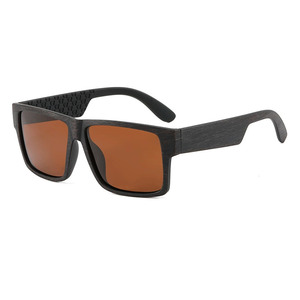
Precision-engineered polarized eyewear certified under European standard EN ISO 12312-1 and ANSI Z80.3, designed for outdoor performance, sport safety, and commercial high-street retail turnover.
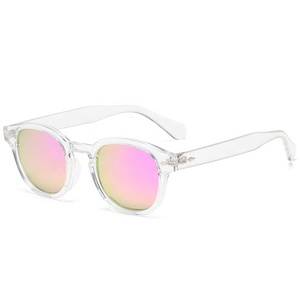
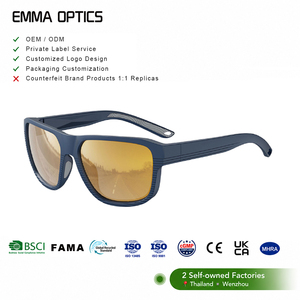
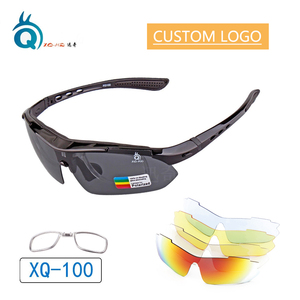
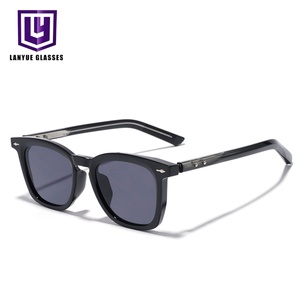
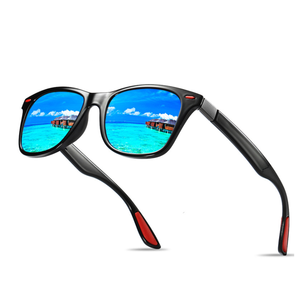
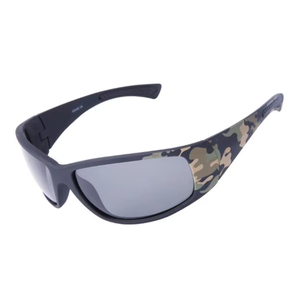

In wholesale optical distribution, polarized eyewear cannot simply be treated as tinted plastic. CE certification under Regulation (EU) 2016/425 and EN ISO 12312-1 demands stringent adherence to luminous transmittance, spectral transmittances (UVB 280–315 nm and UVA 315–380 nm), optical power tolerances, and polarization efficiency. Standard tinted lenses merely reduce the overall amount of light entering the ocular cavity, attenuating both useful visual information and harmful glare indiscriminately. This triggers pupil dilation, which paradoxically exposes retinal tissue to concentrated localized scatter if UV attenuation is not 100% monolithic.
True polarized efficiency stems from integrating an aligned polyvinyl alcohol (PVA) iodine film laminated within multi-tier substrates (Triacetate Cellulose - TAC, Polycarbonate - PC, or Polyamide/Nylon). The PVA layer undergoes directional stretching to align crystalline iodine molecules into parallel micro-slits. This chemical orientation creates an anisotropic polarizing axis that absorbs horizontally polarized transverse light waves—the primary constituent of reflective glare bouncing off asphalt, water surfaces, marine glare, and automotive glass—while selectively transmitting vertical light frequencies that carry textural depth, edge contrast, and spatial clarity.
| Substrate Material | Polarizing Efficiency | Abbe Optical Value | Impact Resistance | Thermal Stability (°C) | Target Retail Application |
|---|---|---|---|---|---|
| TAC (Triacetate Cellulose 1.0mm) | > 99.2% | 58 (Exceptional) | Standard Outdoor Drop Ball | Up to 75°C | Lifestyle, Urban Driving, High Fashion |
| Polycarbonate (Injected Polarized) | > 98.5% | 30 (Moderate) | ANSI Z87.1 High Velocity | Up to 115°C | Tactical, Cycling, Ballistics, Industrial |
| Polyamide / Nylon Polarized | > 99.5% | 52 (High Clarity) | Superior Stress Crack Resist | Up to 90°C | Luxury Aviator, Rimless Glazed Fashion |
| TR90 Co-Molded Rim + Polarized | > 99.0% | Dynamic by Core | Shape Memory Flex ISO 12870 | Up to 105°C | Water Sports, Running, Extreme Hiking |
Furthermore, when wholesale optical importers supply frames that accommodate corrective or interchangeable lenses, mechanical rigidity is critical. A structural imbalance between the frame eyewire and lens bevel will place localized compressive stress across the lens core. When polarized films experience uneven mechanical clamping, they exhibit "photoelastic stress birefringence" (rainbow stress patterns), fundamentally compromising visual acuity and accelerating internal film delamination during extended UV exposure.
Forward-looking distributors must anticipate legislative, mechanical, and logistical shifts transforming wholesale eyewear manufacturing.
Global regulatory pressure, especially the European EU Green Claims Directive and REACH updates, is accelerating the obsolescence of standard petroleum-derived acetate and virgin plastics. Sourcing trends prioritize bio-based cellulose acetate (derived from sustainably harvested wood pulp and non-edible cotton seeds, utilizing bio-plasticizers to achieve 68%+ bio-content) and castor-oil-based TR90. Forward orders for 2026 demonstrate a 42% year-over-year pivot toward biodegradable polarized sunglasses that fulfill biodegradability ISO 14855 without compromising mechanical elasticity.
High-wrap sports frames (Base Curve 8 and 9) previously faced chronic buyer hesitation due to peripheral distortion and fishbowl aberrations. The next generation of wholesale sports eyewear incorporates toric decentralized polarized lenses, mathematically profiled to align focal points directly with the wearer's pupillary axes. Concurrently, frames engineered with modular stepped bevels allow rapid laboratory prescription conversion, opening multi-channel monetization pathways across sports optical retailers and clinical optometry centers alike.
Static polarizing filters face limitations during fluctuating light transitions (e.g., dense forest trails or sudden cloud cover). Sourcing data highlights massive capital inflow into dynamic photochromic polarized systems. These hybrid lenses maintain Category 1 transmission (clear-to-light amber) indoors or under low solar irradiance, rapidly darkening to Category 3 with simultaneous polarization activation within 45 seconds of direct UV activation. This dual-functional architecture captures the premium outdoor adventure, fishing, and commuter motorcycle demographics.
The manufacturing ecosystem for performance sunglasses has transitioned from manual, low-tolerance stamping into cleanroom-based nano-vacuum injection and robotic laser cutting. Historically, the Achilles' heel of polarized lenses was premature delamination: moisture, saltwater, and cleaning solvents would penetrate the edge seal between the TAC or PC exterior skins and the inner PVA polarizing core. Cutting-edge manufacturing implements automated edge-fusion thermal bonding combined with hydrophobic and oleophobic fluoro-silane surface depositions applied via Physical Vapor Deposition (PVD). This increases lens salt-fog spray durability from the traditional 48 hours to over 168 hours of continuous exposure according to ASTM B117 standards.
Simultaneously, frame production now utilizes 5-axis CNC diamond tooling to machine raw acetate blocks down to 0.02 mm tolerances, eliminating localized mechanical stress points that induce micro-cracks along the temple hinges. For injection molded TR90 frames, Swiss-imported Grilamid EMS polymers are processed inside dehumidified desiccant dryers before low-shear screw injection, preventing polymer chain degradation and ensuring that the structural frame flex remains elastic without snapping even under sub-zero Siberian (-30°C) winter expedition trials.
Strategic B2B distribution operated from Dharam Palace, Grant Road, Mumbai—the epicenter of high-volume optical commerce, blending comprehensive multi-brand collections with strict QC gatekeeping.
Direct portfolio integration across Eagle & Kyte, Reyan, and Tryst. Importers and chain buyers eliminate fragmented supplier overheads by aggregating luxury urban aviator sunglasses, robust everyday prescription-friendly TR90 frames, and trend-focused fashion cat-eye acetate styles into a consolidated single-source invoice and unified shipping container dispatch.
Every commercial lot undergoes rigorous optomechanical auditing prior to export packing. Each SKU batch is subjected to 20,000-cycle temple endurance flex tests, cross-hatch coating adhesion checks, spectroradiometer UV400 verification, and stereoscopic optical strain analysis to ensure zero chromatic fringing, completely eliminating return-risk for international trade partners.
Operating a dynamic live-inventory catalog exceeding 400+ distinct active designs directly from Mumbai’s logistics hub. Retail partners enjoy flexible minimum order quantities (MOQs), enabling balanced testing of niche styles, mixed-brand display assortments, and rapid replenishment cycles without tying up large amounts of working capital in stagnant inventory.
Direct technical and operational answers addressing the critical factors of polarized eyewear manufacturing, certification, and global trade.
Partner directly with an established optical wholesale distributor. Gain direct access to certified CE/UV400 polarized inventories, custom OEM manufacturing runs, and reliable dispatch infrastructure tailored for optical retail chains and international distributors.