
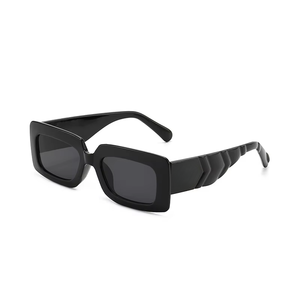
Precision-engineered optical frame production, progressive glaze readiness, OEM/ODM private label solutions, and direct-factory procurement for independent opticians, retail chains, and global distributors.
Engineered for high-yield laboratory edging, structural ergonomics, and commercial durability across Italian acetate, TR90 memory polymers, titanium alloys, and high-performance polycarbonates.
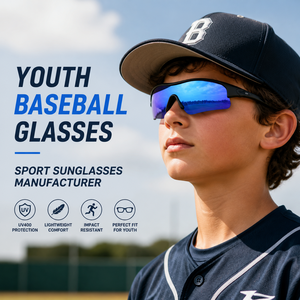
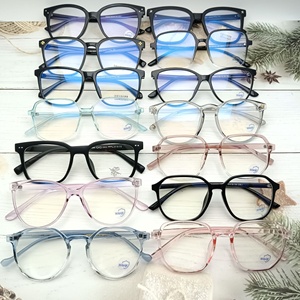
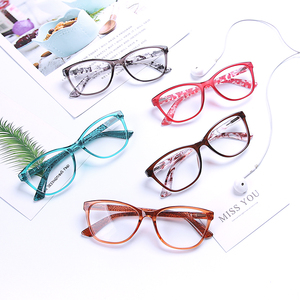
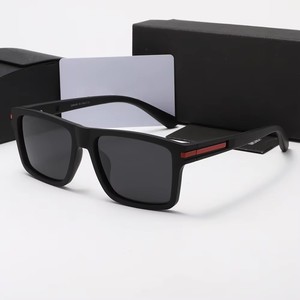

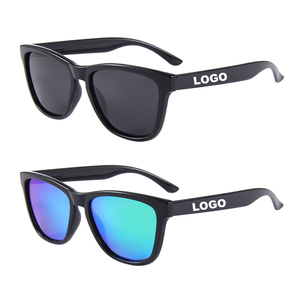
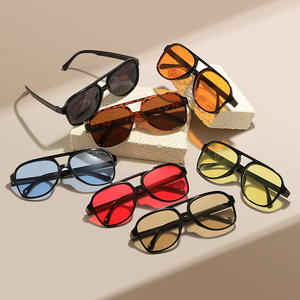
A technical guide to navigating material integrity, lens bevel geometry, and production control for professional optical supply networks.
The primary point of failure in low-tier wholesale optical frames lies in erratic lens groove depths and unstable front curvature. We engineer every chassis using 5-axis CNC cutters maintaining an exact 0.55mm to 0.65mm V-groove depth and 4.0 to 4.5 Base Curve (BC). This ensures optometry labs achieve 100% first-pass yield during edging with CR-39, Polycarbonate, MR-8, and high-index 1.74 lenses, preventing frame stress whiting or popped lenses.
Prescription eyewear faces constant micro-stress cycles during daily wear. Our manufacturing process incorporates precision 3-barrel, 5-barrel, and reinforced OBE-style spring hinges. Utilizing coated micro-screws paired with nylon-threaded threadlocker sleeves, our hinges survive 25,000+ open-and-close fatigue cycles without loosening, eliminating end-user returns caused by loose temple arms.
From Swedish EMS Grilamid TR90 to curing-stabilized cellulose acetate, raw material formulation dictates adjustment compliance. Low-grade recycled polymers warp under hot air frame warmers. We exclusively utilize high-density virgin polymers that tolerate standard optician bench heating (65°C–80°C) without surface hazing, allowing seamless pantoscopic tilt and temple curvature tailoring for opticians.
Selecting the optimal substrate to match clinical prescription demands, market demographics, and target wholesale margin parameters.
| Material Category | Structural Rigidity | Weight Profile | Prescription Glaze Compatibility | Recommended Target Demographic |
|---|---|---|---|---|
| Cellulose Acetate (High-Density) | High (Adjustable with heat) | Moderate (22g - 36g) | Universal (Ideal for high minus diopter edge-hiding) | Boutique eyewear, urban professionals, fashion retail |
| TR90 Polymer (EMS Swiss Grade) | Ultra-Flexible (Shape memory) | Ultra-Light (12g - 18g) | Single-vision & standard multifocal glazing | Active lifestyle, sports casual, kids, mass insurance lines |
| Beta-Titanium / Stainless Steel | Exceptional Tensile Strength | Featherweight (8g - 14g) | Low-to-mid diopter, rimless and half-eye drill mounts | Executive minimalist, mature demographic, hypo-allergenic users |
| Optical Polycarbonate (PC) | Rigid Impact Resistant | Lightweight (18g - 24g) | Pre-formed reading & base non-prescription lenses | Promotional lines, safety eyewear, seasonal volume stock |
Strategic industry insights driving inventory agility, sustainability mandates, and technical convergence in global eyewear distribution.
Global regulatory pressure (such as the EU Corporate Sustainability Due Diligence Directive) is accelerating the demand for non-phthalate, bio-based cellulose acetate synthesized with eco-plasticizers. Sourcing partners are transitioning to ISCC-certified polymers with up to 68% renewable carbon content, satisfying environmentally conscious consumers while matching traditional mechanical durability and luster.
With an aging global population and screen-induced early presbyopia, frame dimensions are shifting. The procurement standard now requires minimum B-measurement heights of 32mm to 36mm in compact and cat-eye silhouettes. This ensures sufficient vertical real estate for progressive reading corridors without sacrificing contemporary aesthetic geometry.
As the smart glasses segment expands beyond audio to heads-up prescription displays, bulk manufacturers are re-engineering standard chassis designs. Hollow temple architectures, internal wire channeling, and reinforced acetate lugs are becoming OEM staples, allowing optical brands to bridge classic ophthalmic frames with micro-electronic hardware without redesigning entire front structures.
Combining the scale of modern Chinese precision production lines with agile B2B commercial fulfillment.
Drawing on an extensive archive of over 400 commercial molds and house brand archetypes (spanning classic executive aviators, ergonomic daily squares, and fashion cat-eye lines), we offer partners instant market readiness. Whether selecting turn-key SKUs or adapting existing toolings for proprietary private labels, our catalog eliminates prohibitive tooling setup charges and reduces time-to-market by up to 65%.
Every batch undergoes stringent batch inspection benchmarks before final packaging: barrel alignment testing, temple torque resistance, salt-spray corrosion trials (48-hour exposure for metal platings), and automated optical bridge centering checks. Our zero-defect objective ensures optical retailers and glazing labs encounter no broken hinges or frame dimensional distortion during automatic lens mounting.
Balancing cash flow and display breadth is the central challenge of eyewear retail. Our procurement matrix allows low minimum order quantities (MOQ) on in-stock frames, alongside mixed SKU bundling across styles, sizes, and colors. This enables independent optometry practices, regional chains, and overseas distributors to curate localized product mixes without tying capital up in excessive single-model quantities.
Clear operational and technical insights addressing standard buyer inquiries regarding logistics, glaze parameters, and customization.
Yes. The majority of our optical chassis are engineered with a vertical lens depth (B-measurement) of 32mm or higher. This provides the minimum clearance required for standard short-corridor and regular progressive lenses, preventing truncation of the near-reading or intermediate zones during optician glazing.
Absolutely. We provide comprehensive OEM private label capabilities, including high-precision inner-temple laser engraving, metallic foil pad printing, model numbering, CE/UKCA marking compliance, and custom temple-tip epoxy inlay branding tailored to brand identity specifications.
Our acetate frames undergo automated curing processes to stabilize moisture content before CNC cutting, preventing post-production warping. TR90 frames utilize precision-calibrated mold temperature regulators to ensure molecular alignment, maintaining shape memory during lens insertion without requiring excessive heat.
All bulk export eyewear is manufactured in compliance with international standards: FDA registration (21 CFR 801.410 drop ball impact resistance), CE EN ISO 12870 (for ophthalmic frames), ISO 12312-1 (for sunglasses), UV400 spectral transmittance verification, and full RoHS/REACH compliance regarding nickel release and phthalate safety.
In-stock wholesale optical assortments are dispatched within 3 to 7 business days following QC confirmation and packing. For customized OEM/ODM production runs involving custom colorways, acetate block customization, or bespoke tooling, manufacturing lead times range between 35 and 55 days depending on material specifications.
Yes. We offer coordinated end-to-end packaging production: customized hard clamshell cases, foldable magnetic triangular cases, high-density microfiber cleaning cloths (embossed or digital printed), branded slipcases, and regional UPC/EAN barcode labeling ready for direct retail distribution.
Connect with our technical optical sales engineering team. Receive detailed digital catalogs, material sample swatches, wholesale price tiers, and private label consultation tailored to your retail market.
Send an Inquiry