
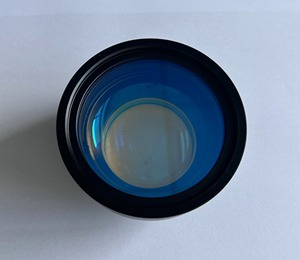
Engineered to medical and retail tolerances, our frames and lenses undergo strict multi-axis stress checks before container departure.
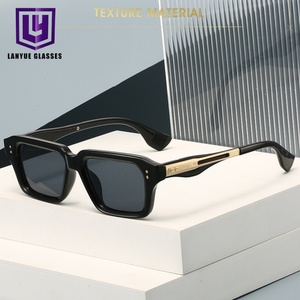
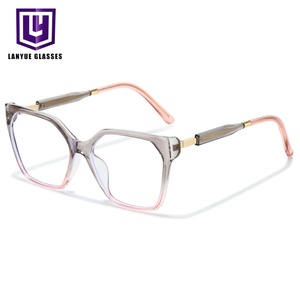
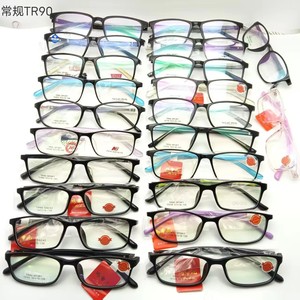
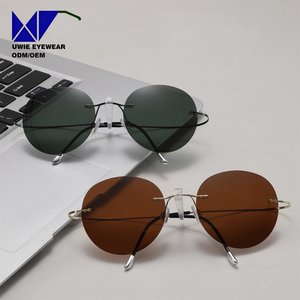

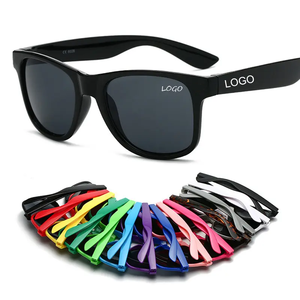
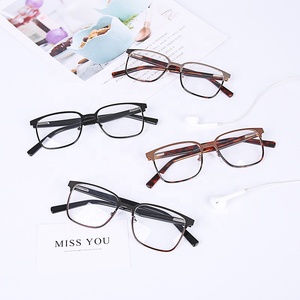
Operating from Grant Road, Mumbai—an international junction for specialized optical finishing, raw material allocation, and wholesale distributions—we bridge raw lumber craftsmanship with precision micro-mechanics. Built directly upon established international supply frameworks including Eagle & Kyte, Reyan, and Tryst, our enterprise supplies independent optometrists, franchise retail operations, and international brands with certified compliance systems.
Every wooden temple, rim, and bridge profile is carved from certified FSC North American Walnut, Canadian Maple, Zebrawood, or African Ebony. Controlled kiln-drying prevents warping across extreme relative humidity ranges.
Reinforced dual-action stainless steel and OBE-compatible spring hinge boxes prevent frame fatigue. Tested through 25,000 cycles to retain correct temple tension without splitting dense grain fibers.
Unlike ornamental consumer wooden glasses, our bevel channels and rim assemblies maintain tight groove profiles compatible with high-index prescription, progressive, and UV400 polarized plano lenses.
Sourcing executive procurement teams face a shifting landscape in sustainable optical manufacturing. While virgin plastic frames encounter increasing packaging and recycling taxation in European and North American markets (such as Extended Producer Responsibility mandates), eco-luxe organic frames provide both tax-advantaged status and superior margin profiles.
When engineering high-volume private label collections, purchasers must consider laminated construction versus solid-billet carving. Solid wood frames, while offering pristine unvarnished aesthetics, exhibit directional brittleness along natural grain planes. To address this in professional retail settings, our production infrastructure utilizes cross-laminated micro-veneers (often pairing carbon-fiber inner stabilization cores between 0.6mm timber facings). This engineering prevents frame warp, maintains optical base-curve integrity, and allows front-of-house opticians to cold-insert prescription lenses without heat guns.
Export documentation ready: CE declaration of conformity, UKCA marking, FDA drop-ball impact compliance (21 CFR 801.410), and European REACH chemical safety clearance for temple coatings.
Optimized freight forwarding via Indian maritime and air corridors avoids disproportionate trade tariffs. Transparent FOB/CIF terms with clear container optimization matrices reduce freight spend.
Low minimum initial investments on custom molds. Proprietary laser-engraving, pantone-matched natural oil dyes, and bespoke wood-and-recycled-paper retail packaging sets.
The convergence of sustainable materials and wearable biometric hardware is transforming high-end manufacturing. B2B buyers must track three clear technological developments currently entering production:
1. Bio-Acetate and Timber Hybrids: Traditional cellulose acetate contains synthetic petroleum phthalate plasticizers. Next-cycle collections integrate circular bio-acetate (derived from cotton and wood pulp with bio-based triethyl citrate plasticizers) co-injected with thin wooden temple layers. This hybrid architecture pairs the warm visual texture of natural wood grain with the full three-axis adjustability required by clinical optometrists.
2. Smart-Temple CNC Cavitation: The integration of micro-acoustics and directional microphones demands non-resonant housing materials. Stabilized hardwoods exhibit superior acoustic dampening compared to molded nylon or polycarbonates. Our precision 5-axis CNC routing enables internal milling for audio circuitry and touchpads within a slim 3.8mm temple footprint without sacrificing tensile strength.
3. Graphene and Carbon Inlays: Layering 0.1mm carbon lattices between sustainable bamboo or sandalwood billets produces ultra-lightweight frames capable of supporting heavy high-minus prescriptions without temple flex or bridge stress cracking.
Direct technical answers regarding Minimum Order Quantities (MOQs), drop-ball certifications, custom branding tolerances, and optical lab glazing.
Connect with our technical engineering desk in Grant Road, Mumbai. Review physical sample rings, receive complete catalog pricing sheets, and evaluate CAD specs for your custom frame concepts.
Contact Us