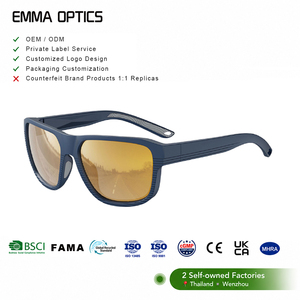
Discover our core catalog engineered for tier-1 distributors, clinical optometry chains, and independent retail brands demanding tight tolerances and flawless finishes.
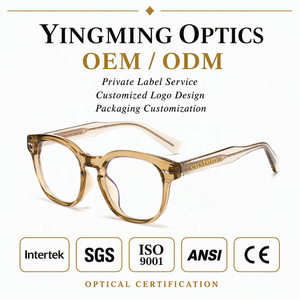
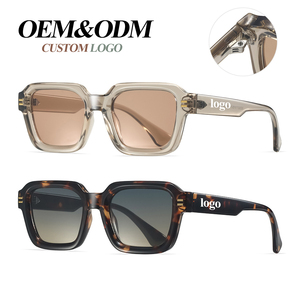
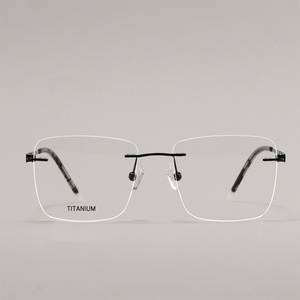
Data-backed perspectives on how international regulatory shifts, lean production matrices, and automated QA are reshaping optical wholesale procurement.
The global eyewear trade has entered an inflection point where conventional low-cost fabrication is rapidly ceding ground to engineered precision and certified biocompatibility. International brand curators, regional clinic chains, and optometry distributors face heightened margin compression and evolving consumer demands. To secure competitive retail positioning, procurement strategies must pivot toward manufacturing partners capable of integrating high-end CNC tooling with agile fabrication cycles.
Historically, supply-chain bottlenecks centered primarily on extended cycle times for injection tooling and erratic hinge tolerances. However, modern automated infrastructure, exemplified by multi-axis CNC metal machining centers operating at tolerances within ±0.005mm, allows brand owners to execute rapid-iteration collections. In turn, minimum viable order runs (MOQs) decrease, while component interchangeability across modular temples, rim locks, and bridge hardware surges.
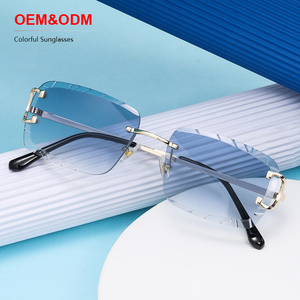
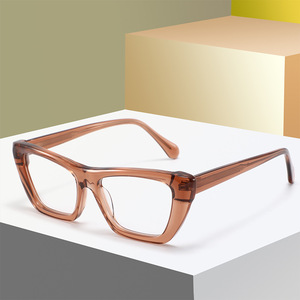
Modern cross-border importers are increasingly utilizing hybrid purchasing workflows. Rather than committing fully to inflexible monolithic manufacturing schedules months in advance, buyers now leverage ready-to-ship stock collections alongside continuous OEM custom-stamping channels. This dual-track procurement protects capital liquidity: standard best-sellers (such as unisex TR90 ultra-light memory frames and classic rectangular optical silhouettes) maintain continuous inventory flow, while specialized capsules (like rimless pure titanium mounts and geometric cat-eye acetates) undergo controlled seasonal rollouts.
Furthermore, digital quality monitoring protocols have eliminated traditional post-import defect discoveries. With optical testing machines analyzing UV400 transmission curves, lens polarization efficiency, and mechanical barrel-hinge fatigue (withstanding upwards of 20,000 continuous articulation cycles) prior to freight consolidation, distributors can lower return merchandise authorization (RMA) rates below 0.2% across bulk shipments.
An in-depth review of advanced polymers, hypoallergenic metallurgy, and sustainable acetate engineering leading global market adoption.
Pure Japanese and certified domestic titanium frameworks provide unmatched strength-to-weight ratios, ensuring exceptional structural stability for rimless and minimalist architectural profiles. Non-corrosive, nickel-free, and inherently biocompatible, titanium remains the benchmark choice for premium clinical and executive collections.
Memory-polymer formulations offer ultra-light resilience, dimensional memory retention, and chemical resistance against perspiration and cosmetic oils. Engineered for performance sports eyewear and flexible daily prescription wear, TR90 components minimize temple stress and virtually eliminate spontaneous brittle fracturing.
Premium cured bio-acetates derived from renewable cotton linter and wood flakes deliver rich color depth, tactile warmth, and simple thermal customization for dispensing opticians. Advanced multilayer laminations provide rich aesthetic nuance without compromising structural integrity or mechanical hinge seat firmness.
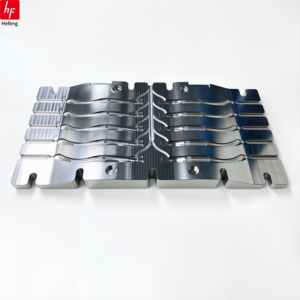
The convergence of 5-axis CNC mold manufacturing allows high-speed development of micro-textured metal inserts, custom-curved rim channels, and precision-matched bridge links. This digital machining fidelity guarantees that replacement parts, eyewires, and rim components remain interchangeable over sustained production runs.
Operating at the convergence of specialized toolmaking and global export standards, our manufacturing network protects your brand equity through strict quality engineering.
Unlike standard trading brokerages that outsource essential processing to unverified third parties, our integrated manufacturing hub manages every stage of frame creation internally. From raw polymer drying and computerized monoblock titanium profile cutting to tumbling, hand-buffing, vacuum ion-plating, and cleanroom lens assembly, our production pipeline ensures absolute consistency across high-volume trade orders.
Our engineering workshops feature state-of-the-art 5-axis CNC machining suites capable of producing bespoke molds with surface roughness controlled down to Ra 0.2μm. This structural precision directly eliminates micro-burrs along the lens groove channel, guaranteeing rapid, hassle-free lens glazing for single-vision, progressive, and specialized high-index blue-blocking lenses in optometry finish labs.
Every frame assortment leaving our dispatch facility is certified to meet mandatory regulatory frameworks across key global markets, including CE (EU Regulation 2017/745 for medical devices and EN ISO 12312-1 for sunglasses), US FDA registration for prescription frames and impact resistance under 21 CFR 801.410 (drop-ball testing), and AS/NZS 1067. Comprehensive documentation, including safety datasheets, declaration of conformity dossiers, and batch-coded production logs, accompanies every shipment to ensure straightforward customs clearance.
Authoritative guidance covering tooling tolerances, OEM custom branding, MOQ thresholds, and international optical certification standards.
Connect directly with our senior optical engineering team to review full-line wholesale assortments, request material sample kits, or initiate custom CNC mold tooling for your upcoming seasonal collection.
Contact Us