
Acetate Optical
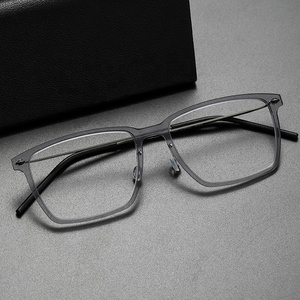
Explore eight core ophthalmic architectures verified for structural dimensional tolerance, lens groove integrity, and zero-fatigue temple flexure. Sourced directly from our industrial fabrication floor.
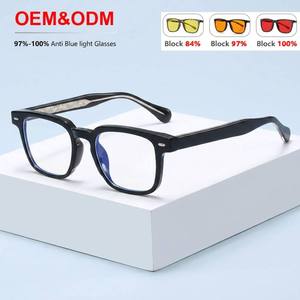
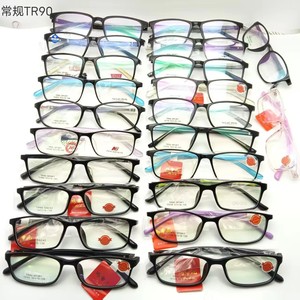
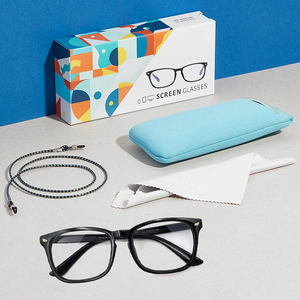
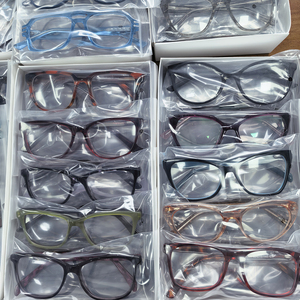
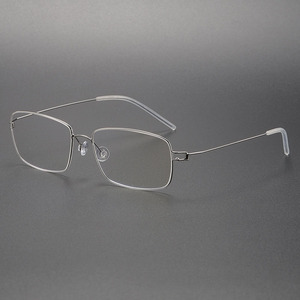
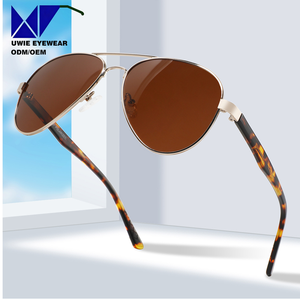
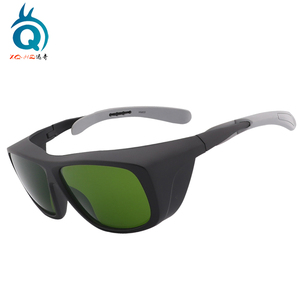
Wholesale eyewear distribution requires unmatched mechanical reliability. When prescription lenses—often costing triple the value of the frame itself—are inserted into a spectacle chassis, edge-stress failures, hinge looseness, and temple misalignments create costly retail chargebacks. As a veteran manufacturing and export partner operating through dedicated manufacturing infrastructure and an international dispatch center at Grant Road, Mumbai, we eliminate these systemic supply chain vulnerabilities.
Our operational model leverages the multi-brand engineering discipline developed across our flagship lines: Eagle & Kyte (urban metallic & structural aviator innovations), Reyan (high-volume ergonomic daily ophthalmic chassis), and Tryst (runway-inspired multi-layer acetate aesthetics). Every spectacle frame series is systematically stress-audited against mechanical, galvanic, and optical laboratory tolerances before warehouse inclusion.
Our acetate optical chassis are carved from high-density, cured cellulose blocks using automated multi-axis CNC spindles, completely preventing residual thermal warping during lens glazing.
Metallic ranges incorporate anti-corrosion barrier sealants and vacuum PVD gold/ruthenium plating, compliant with European REACH and EN 16128 direct skin nickel-release limits.
Recognizing retail working capital realities, we eliminate rigid full-carton single-SKU lock-ins, enabling optical dispensary chains to build multi-model, multi-color consolidated orders.
By merging heavy industrial fabrication capacity with real-time sell-through telemetry from frontline retail, we solve the common bottlenecks of optical supply.
Retail optical stores waste substantial chair-time adjusting warped frames. Our optical spectacle eye-wires maintain rigid base curves (Base 4.0 to Base 6.0 standards), ensuring automated laboratory patternless edgers drop single-vision, progressive, and polarized sun lenses straight in without frame distortion or prism errors.
Scale your house brand effortlessly. We offer end-to-end bespoke production spanning pantone pad printing, high-precision temple core laser engraving, customized dual-density case packaging, and tailored lens-cloth branding with accessible minimum order runs that preserve your working balance sheet.
Operating from Mumbai’s established optical commercial epicenter with seamless multimodal forwarding infrastructure allows rapid document turnaround (Certificates of Origin, FDA registrations, CE Declarations of Conformity) and express air courier or containerized ocean freight to all global regions.
How progressive eyewear chains, retail conglomerates, and independent optometrists are aligning inventory to capture shifts in consumer buying psychology and lens tech.
Corporate ESG directives and discerning consumers are compelling wholesale buyers to replace petroleum-derived phthalate plasticizers with renewable cellulose acetate (bio-content >68%). We supply certified bio-acetate that delivers brilliant marble, demi, and crystal tones while degrading naturally in industrial composting environments.
With daily screen time climbing past nine hours globally, frame mass is a make-or-break purchase factor. The procurement tide has shifted toward ultra-thin 0.6mm β-titanium sheet metal, medical-grade Japanese stainless steel, and memory TR90 temples that yield total unglazed chassis weights under 10 grams.
An aging global demographic is accelerating demand for progressive addition lenses (PALs). Procurement buyers are phasing out narrow-depth rectangular shapes below 28mm B-measurement in favor of deep geometric octagons, softly rounded pantos, and structured aviators with B-measurements >36mm to accommodate broad progressive corridors.
The boundaries between traditional ophthalmic wear and smart eyewear are converging. Leading frame factories are pre-engineering reinforced temple hinges and widening internal temple cavities to house micro-circuitry, bone conduction transducers, and micro-batteries without expanding external frame profiles.
Evaluate mechanical tensile thresholds, thermal resilience, and dispensing adjustability to align your product assortment with retail use cases.
| Material Category | Specific Gravity | Tensile Strength | Thermal Stability | Glazing Adjustability | Recommended Retail Sector |
|---|---|---|---|---|---|
| High-Density Cellulose Acetate | 1.28 - 1.32 g/cm³ | High (Reinforced Core) | Medium (<65°C) | Fashion, Luxury Boutique, Runway Editions | |
| Beta-Titanium (β-Ti Alloy) | 4.50 g/cm³ (Ultra-Thin) | Extreme (>850 MPa) | Exceptional (>400°C) | Executive, Minimalist, Hypoallergenic Clinic | |
| TR-90 Swiss Memory Polymer | 1.14 g/cm³ | High Elastic Memory | High (<105°C) | Athletic, Screen Blue-Blocker, Kids & Youth | |
| Corrosion-Resistant Monel/Alloy | 8.80 g/cm³ | Rigid Structural Yield | High (<150°C) | Timeless Aviator, Half-Rim, Heavy Rx Lens Cores |
Direct technical answers addressing production lead times, lens edging tolerances, private labeling parameters, and international freight logistics.
For ready-to-ship catalog frames under our standard inventory lines, we support low entry thresholds of 50 to 100 units across mixed models and colorways. For fully customized OEM manufacturing involving custom acetates, laser tool markings, or bespoke eye sizes, the production threshold standardizes at 300 to 500 units per model, divided across up to three custom colorways.
High-minus lenses require precise eyewire depth to avoid edge projection and bevel dislodgement. Our CNC milling profiles maintain groove angles of exactly 110° to 120° with a depth tolerance maintained within ±0.03mm. This guarantees that automated lens edgers calibrated to standard V-bevels achieve firm mechanical retention without risking frame cracking under cold environmental conditions.
Yes. All metal alloys undergo rigorous immersion passivations and multi-layer PVD vacuum plating. We test each manufacturing batch under EN 16128 and EN 1811 European standards, certifying that nickel release directly against the wearer's dermis stays well below the statutory threshold of 0.5 μg/cm²/week, preventing contact dermatitis and ensuring worry-free retail distribution in stringent Western markets.
Our centralized export division facilitates air express dispatches (DHL, FedEx) for fast shelf replenishment as well as consolidated ocean freight for bulk multi-carton deliveries. Every consignment ships complete with commercial invoices, HS-code breakdown (Chapter 9003 for spectacle frames), packing lists, CE technical files, and FDA drop-ball impact compliance certification for prompt customs clearance.