
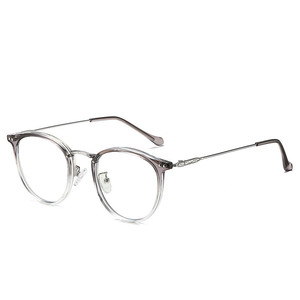
Curated commercial models engineered with precision tolerances, premium memory polymers, corrosion-resistant hardware, and high-impact optical lenses tailored for Indonesian retail optical distributors.
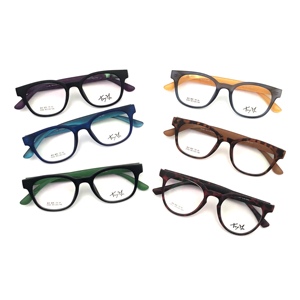
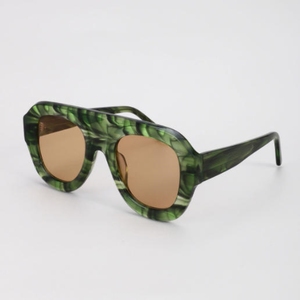
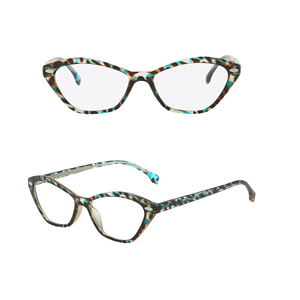
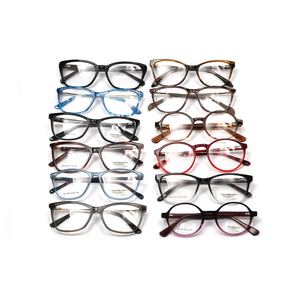
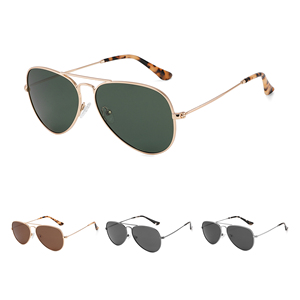

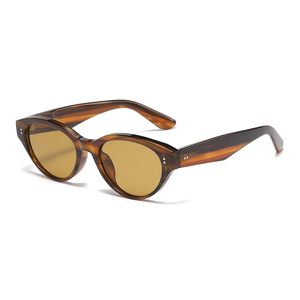
From the tropical humidity of Medan to the hyper-dense motorcycle corridors of Jabodetabek, eyewear sourcing requires deliberate material adaptations to avoid hinge degradation, bridge slippage, and premature coating failure.
Standard export eyewear suffers swift galvanic corrosion in Indonesia's coastal maritime humidity (averaging 75%–90% RH). Our frames integrate electrophoretic lacquer sealing and multi-layer nickel-free PVD coating tested under continuous 48-hour neutral salt-spray simulations (NSS), eliminating temple greening and pitted rim wires across Java and Sumatra retail chains.
Over 120 million active two-wheelers navigate daily Indonesian commutes. Eyewear squeezed inside full-face and modular helmets undergoes severe lateral temple deformation. We manufacture frames utilizing memory-flex TR90 and ultra-elastic β-titanium, allowing dynamic 180-degree temple torsion without structural fracture or loss of alignment.
Universal Western frame fits frequently slide down flatter nasal profiles or exert pressure along the zygomatic arch. Our Indonesia-specific CAD iterations specify elevated 12mm–14mm nose bridge splay angles, augmented silicone step-pads, and reduced pantoscopic tilt angles (6°–8°) ensuring the optical optical centers remain aligned during prolonged tropical wear.
The Indonesian eyewear industry is experiencing a structural revolution driven by demographic expansion, rapid urbanization across Tier-2 and Tier-3 cities (such as Bandung, Semarang, Makassar, and Balikpapan), and increased healthcare awareness. According to Indonesian Ministry of Health (Kemenkes) epidemiological assessments, the prevalence of uncorrected refractive errors and accelerating youth myopia (rabun jauh) among metropolitan school-age demographics exceeds 34%, dramatically elevating the baseline demand for prescription ophthalmic hardware.
Simultaneously, the Indonesian National Health Insurance program (BPJS Kesehatan) has mainstreamed vision correction allowances across partner optik networks. However, regional optical retailers encounter a sharp margin squeeze: domestic consumers demand durable, fashionable prescription frames within modest reimbursement thresholds, while brand-conscious youth require trendy Korean-style lightweight metal and oversized acetate silhouettes. Indian and international B2B contract manufacturers bridge this operational divide by delivering high-density acetate and Swiss-polymer TR90 frames at ex-factory price points that preserve 60%–75% gross margins for Indonesian retail opticians.
Furthermore, omni-channel optik concepts and direct-to-consumer digital portals across Tokopedia, Shopee Indonesia, and TikTok Shop have created unprecedented demand for rapid SKU experimentation. Forward-thinking Indonesian optical buyers are transitioning away from monolithic high-MOQ European brokers toward agile B2B export manufacturers who support mixed batching across complementary house collections—such as Eagle & Kyte, Reyan, and Tryst—allowing optical stores to maintain clean inventory turn ratios without overleveraging working capital.
Understanding shifting consumer demographics and commercial distribution dynamics empowers optical chains to optimize replenishment strategies and protect shelf turnover.
With Indonesia boasting over 210 million internet users and the highest daily mobile screen time in Southeast Asia, non-prescription blue-filtering reading and gaming glasses are now the fastest-moving impulse category in modern optik outlets.
Over 80% of Indonesian female optical shoppers wear headscarves daily. Rigid traditional frames exert persistent temple and mastoid pressure against under-scarf fabric. Ultralight, streamlined wire temples and soft-touch rubber tips prevent pain and frame slippage.
Green consumerism is escalating rapidly among Gen-Z urbanites in Jakarta and Bali. Retailers are actively rotating toward plant-derived bio-cellulose acetates free of toxic phthalates, paired with eco-conscious biodegradable optical packaging.
Instead of tying up cash flow in giant containers of single SKUs, Indonesian chain stores now favor hybrid consolidation: ordering 300 to 1,000 mixed units across multiple trending geometric shapes to align with rapid 45-day social media trend cycles.
Headquartered in Dharam Palace, Grant Road, Mumbai—India’s premier optical trading nexus—Salecha Lifestyle LLP delivers industrial scale, verified supply chain integrity, and tailored export support for international optical distributors.
Rather than generic unbranded commodities, we supply three distinct market-proven labels under one roof: Eagle & Kyte (refined urban metal and acetate designs), Reyan (high-durability TR90 ophthalmic everyday frames engineered for progressive lens glazing), and Tryst (runway-inspired fashion cat-eye and oversized statement pieces).
Every consignment undergoes comprehensive four-stage auditing prior to export boxing: barrel hinge torque calibration, temple symmetry inspection, rim groove depth precision verification (guaranteeing instant lens bench seating), and scratch-free surface inspections under high-CRI optical inspection lighting.
Our dedicated export desk handles full commercial documentation tailored to Southeast Asian customs requirements, including accurate Harmonized System (HS) classifications, Certificates of Origin, precise packing manifests, and standard compliance declarations to facilitate frictionless clearance across Indonesian ports.
Clear, direct answers regarding minimum orders, custom branding, logistics clearance, and ophthalmic glazing standards.
Connect directly with our international wholesale sales team in Mumbai. Receive live catalogues, ex-factory volume quotations, and customized assortment guidance tailored for the Indonesian retail landscape.
Send an Inquiry