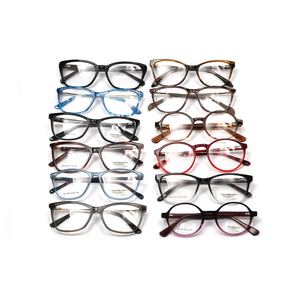
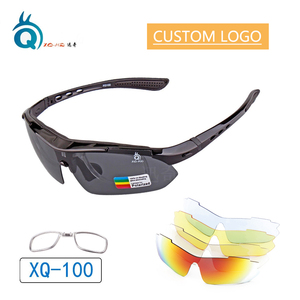
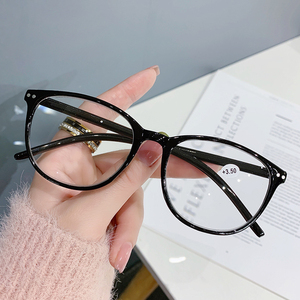
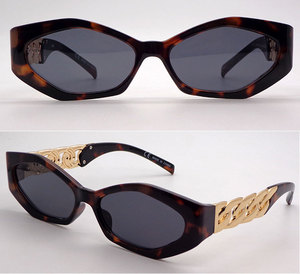
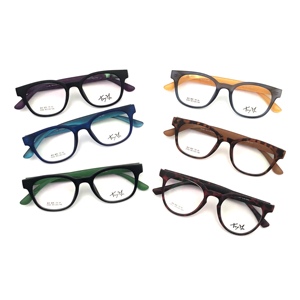
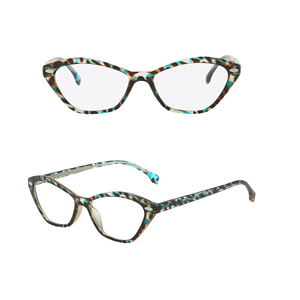
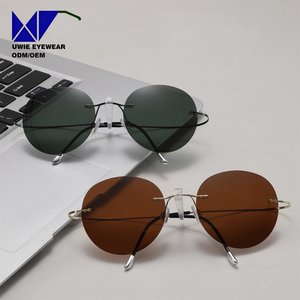
Explore our active inventory batch lines and custom OEM/ODM platforms. Every frame is manufactured under strict optical lab glazing tolerances, ensuring frictionless single-vision and progressive lens mounting.
Combining the heritage of Chinese optical craft centers (Shenzhen, Wenzhou, and Danyang) with modern automated fabrication, our production platform addresses the acute technical bottlenecks that global optical buyers encounter.
Our 5-axis CNC machining centers run proprietary CAD toolpaths calibrated for zero eye-wire warpage. We achieve a lens groove bevel tolerance of ±0.12mm, guaranteeing seamless automated lens edging and zero lens popping for high-minus prescription lab glazing.
Unlike rapid chemical tumbling that causes brittle acetate edges, our frames undergo a rigorous 72-hour organic tumbling regimen using graded beechwood pegs, birch granules, and micro-crystalline paste, followed by hand-buffing for an enduring liquid luster.
All metallic, stainless steel, and titanium collections are coated via ion-assisted PVD vacuum chamber deposition. Each surface passes strict 72-hour salt-spray and synthetic sweat immersion testing, preventing green verdigris corrosion and nickel release.
We install OBIS, OBE, and customized German-grade spring and barrel hinges anchored directly into the acetate matrix with reinforced welded baseplates. Every batch undergoes 25,000-cycle mechanical flex tests with less than 2% tension drop.
From 2D sketches and 3D step files, our prototyping studio builds precise physical master samples within 7 business days. Rapid SLS resin 3D printing and single-cavity master cutting enable brand teams to validate pantoscopic tilt and face fit before bulk mold cutting.
We handle end-to-end export documentation for customs clearance across North America, the European Union, Australia, and ASEAN markets. Including FDA Device Master Files, CE Medical MDR Declarations, drop-ball impact test certificates, and chemical SVHC testing reports.
Selecting the optimal substrate directly impacts lab edging scrap rates, bridge adjustability, temple tensile elasticity, and ultimate retail margin. Consult our structural engineering benchmark below:
| Material Classification | Specific Density (g/cm³) | Tensile Yield Strength | Cold-Glazing Capability | Hypoallergenic Grade | Recommended Market Segment |
|---|---|---|---|---|---|
| Cellulose Acetate | 1.28 – 1.32 | 55 – 65 MPa | Warm Heat (50°C - 60°C) | High (Biocompatible) | Luxury Independent Labels & Boutique Optical Chains |
| β-Titanium Alloy | 4.50 – 4.54 | 880 – 950 MPa | Direct Cold Glaze | 100% Medical Grade | Executive Eyewear, Rimless Drill Mounts, Ultra-Light Lines |
| Swiss Grilamid TR90 | 1.01 – 1.04 | 70 – 80 MPa | Direct Cold Snap-In | Certified ISO 10993 | Pediatric Eyewear, High-Impact Sports, Mass Retail Lines |
| Stainless Steel (304L/316L) | 7.90 – 8.00 | 520 – 620 MPa | Rimlock Screw Glazing | High (When IP Plated) | Classic Metal Aviators, Minimalist Clubmasters, Everyday Wear |
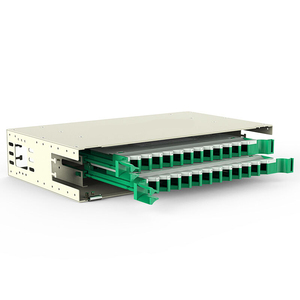
| Structural ODF Alloy | 2.70 (Al) / 7.85 (Steel) | 240 – 310 MPa | N/A (Fiber Enclosure) | Industrial Standard | Telecommunications & Data Center 5G Fiber Optical Infrastructure |
Strategic purchasing executives are redesigning their supply chains to combat margin pressure, tightening environmental directives, and changing consumer ergonomic profiles. Here is how leading global buyers are preparing.
Traditional petroleum-derived phthalate plasticizers are being rapidly phased out in favor of cellulose acetate synthesized with plant-derived triacetin. Bio-acetates boasting over 68% renewable carbon content and ISO 14855 biodegradability are transitioning from a marketing novelty into a mandatory European retail compliance requirement.
Factories are combining high-velocity injection molding for frame front chassis with 5-axis robotic CNC milling along the internal lens rim. This hybrid technique drastically cuts resin material scrap by 45% while holding lens-groove dimensional concentricity to the tight tolerances required by high-index progressive surfacing labs.
Optical frame design is converging with wearable computing. Sourcing departments are increasingly ordering chassis with hollowed modular temple cavities, micro-conduit wire paths, and reinforced IPX4 sealed hinge assemblies designed to house audio micro-transducers, directional microphones, and miniaturized battery cells without ruining everyday optical balance.
Rather than locking up working capital in 1,200-piece single-color SKU production runs, modern optical retailers are partnering with exporters who offer flexible tooling programs. Our platform allows aggregated batching: 300 pieces per mold split across 4 exclusive custom color laminates, protecting inventory turnover and seasonal responsiveness.
Universal fit is no longer enough for international brands. High-growth exporters offer parametric CAD tooling with diversified bridge designs: including Alternative Asian Fit (elevated built-in nose pads and reduced pantoscopic tilt), Nordic deep-bridge architectures, and ultra-wide European geometric angles to optimize patient comfort across global regions.
Physical calipers and manual alignment gauges are being replaced by automated optical vision systems. Finished frames are scanned in 3D against engineering CAD master files to verify temple symmetry, bridge splay angle, and vertex clearance before batch packing, eliminating front-desk fitting adjustments for optometrists.
Authoritative technical answers to common questions regarding OEM custom tooling, lens glazing tolerances, minimum order thresholds, and international export safety protocols.