
Fiber Connectivity
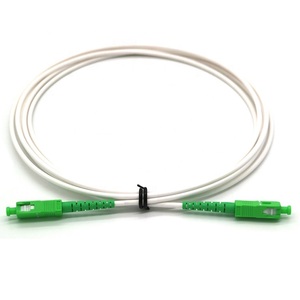
FTTH 3.0mm G657A2 White Optic Fiber Cable Jumper 1.5m 2m SCAPC Cordon De Raccordement
Direct supply lines from ISO-compliant fabrication facilities serving telecom operators, medical system integrators, optical research institutes, and commercial eyewear brands worldwide.
In modern industrial procurement, the optical goods sector demands an unprecedented convergence between photonic-level physical tolerances and commercial-scale volume repeatability. Sourcing directors face complex challenges encompassing transmission efficiency, wave-front distortion, mechanical stability under thermal variance, and stringent cleanroom contamination controls. Whether deploying high-throughput telecommunication cables or clinical-grade laparoscope optics, evaluating an exporter requires deep auditing of thin-film deposition techniques, physical vapor deposition (PVD) stability, and automated optical inspection (AOI) protocols.
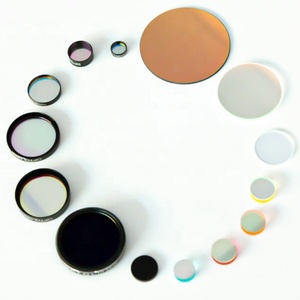
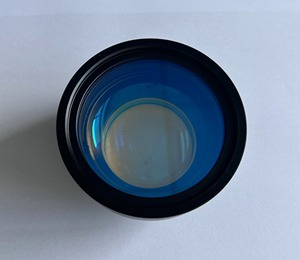
Optoelectronic systems deployed in high-power industrial fabrication require optical interference coatings that maintain surface planar stability under extreme photon fluence. For narrow-bandpass interference filters (such as 620nm filters with a full width at half maximum of FWHM 10nm) and 1064nm F-theta scan lenses, our manufacturing processes utilize Ion-Assisted Deposition (IAD) paired with plasma-assisted PVD. This mitigates microscopic film porosity, eradicating ambient humidity-induced center wavelength (CWL) drift. For components exposed to pulsed fiber laser sources, every production batch is validated against ISO 21254 standards to confirm Laser-Induced Damage Thresholds (LIDT) exceeding 10 J/cm² at 1064nm, 10ns pulse widths.
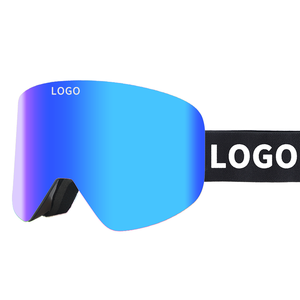
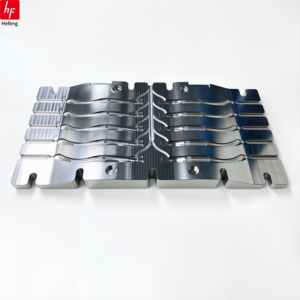
In consumer and protective ophthalmic goods, physical ergonomics intersect with micro-mechanical precision. Producing premium acetate frames, TR90 memory polymers, and aerodynamic magnetic ski goggles relies fundamentally on the accuracy of injection mold cavities. Achieving dimensional variance under 0.005mm across multi-cavity hardened steel (HRC 52-55) tooling prevents flash formation, ensures consistent lens retention grooving, and guarantees structural symmetry. This level of precision is equally vital in high-density telecommunication interconnects, where ferrule positioning within SC-APC connectors demands sub-micron axial alignment to restrict insertion loss to <0.2 dB.
| Optical Goods Domain | Core Materials | Critical Quality Metrics | Standard Compliance |
|---|---|---|---|
| Data Communication (AOC / FTTH) | G.657.A2 Silica Fiber / High-Speed VCSEL | Insertion Loss ≤ 0.20dB; Return Loss ≥ 60dB | Telcordia GR-326-CORE / RoHS |
| Laser & Thin-Film Metrology | Fused Silica, N-BK7, Optical Interference Multilayers | Surface Quality 20/10 Scratch-Dig; λ/10 Transmitted Wavefront | ISO 10110 / MIL-PRF-13830B |
| Biomedical Endoscopy | High-Index Lanthanide Glass, Medical Stainless Alloys | Sub-millimeter Centration; High Numerical Aperture (NA) | ISO 13485 / USP Class VI Biocompatibility |
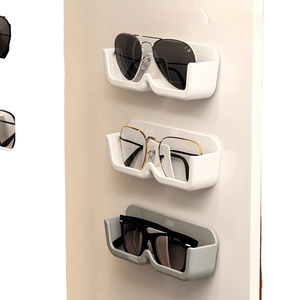
| Performance & Prescription Eyewear | Cellulose Acetate, Grilamid TR90, Polycarbonate PC | Impact Resistance (ANSI Z87.1); UV400 100% Spectral Blocking | EN ISO 12312-1 / FDA 21 CFR 801.410 |
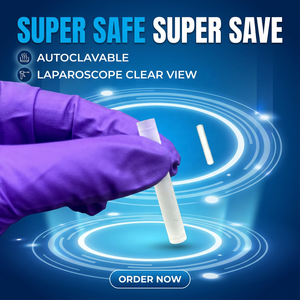
Minimally invasive surgical instruments—notably laparoscopes and arthroscopes—rely on tightly tolerance-bound optical relay trains composed of precision rod lenses. The 6.50mm diameter optical assemblies undergo specialized surface polishing to eliminate internal scatter, while achromatic doublets correct spherical and chromatic aberration across the visible spectrum (400nm–700nm). Medical device manufacturers require full material bio-inertness, non-cytotoxic autoclaving resistance (withstanding up to 134°C pressurized steam cycles), and hermetically sealed assemblies bonded via biocompatible laser welding.
Anticipate supply chain disruptions, shifts in commercial optics specifications, and material innovations over the 2025–2030 sourcing horizon.
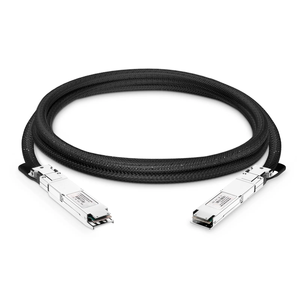
Accelerating AI model training clusters are moving enterprise optical procurement from traditional pluggable transceivers toward ultra-dense Active Optical Cables (AOC) and Co-Packaged Optics architectures. Procurement leaders must secure suppliers capable of delivering high-yield PAM4 modulation assemblies with lower thermal dissipation and extreme insertion loss consistency.
International environmental directives (EU ESPR) require optical retail brands to pivot from petroleum-based plastics toward bio-acetate, ocean-recycled polypropylene (PP) packaging, and solvent-free waterborne lens coatings. Bulk procurement contracts increasingly evaluate the total lifecycle carbon cost and post-consumer recycled (PCR) certification transparency.
Global supply chain volatility has made sourcing components from fragmented vendors inefficient. Major optical importers are consolidating relationships with integrated manufacturing exporters capable of supplying both raw micro-optics and retail-ready finished consumer products under unified quality audits and harmonized HS codes.
Combining the heritage of seasoned optical distribution networks with advanced photonics fabrication facilities.
Our 5-axis high-speed CNC centers accelerate CAD/CAM mold engineering from blueprint sign-off to first-article inspection (FAI) in as little as 14 business days, reducing time-to-market for seasonal eyewear and medical casing rollouts.
From Zygo interferometric surface wavefront mapping on laser lenses to 10,000-cycle temple flex testing on frames, our QC protocols exceed MIL-STD and CE standards before cargo container sealing.
We provide comprehensive private-label branding, customized laser focal lengths, specific optical fiber jacket compounds (LSZH, plenum, TPU), and bespoke anti-reflective dielectric coating runs tailored to unique target operating environments.
With specialized export hubs operating out of premier trade zones, we manage complex customs declarations, hazardous material battery certifications (where applicable), and provide door-to-port visibility for sea and air freight shipments.
Key technical specifications, regulatory standards, and contract variables clarified for international purchasing committees.
Every commercial dispatch is accompanied by an authenticated Certificate of Conformity (CoC), spectral transmission curves measured via spectrophotometer, material safety data sheets (MSDS/RoHS/REACH declarations), and optical surface interferometry test reports where specified by engineering drawings.
For custom thin-film runs (such as custom CWL interference filters or anti-reflective medical optics), MOQs are determined by physical coating chamber tooling fixtures, typically ranging from 25 to 100 pieces for specialized industrial items. Consumer eyewear production lines operate at 300 to 1,200 units per colorway.
All bulk optical jumpers (FTTH G657A2, AOC assemblies) are wound to predetermined bend-radius standards, vacuum-sealed with desiccant in anti-static moisture-barrier packaging, and 100% factory-tested for Insertion Loss (IL) and Return Loss (RL) prior to packaging.
Yes. Our optical frames (metal, acetate, and TR90) and magnetic ski goggle systems are engineered with optimized bevel grooves and base curves, making them fully compatible with standard optical lab edgers for single-vision, progressive, and polarized prescription lenses.
All micro-optics polishing, ultrasonic degreasing, achromatic cementation, and final barrel assembly take place within Class 1,000 (ISO 6) to Class 100 (ISO 5) cleanroom environments to prevent particulate contamination within the optical path.
We support standard Incoterms 2020 including EXW, FOB, CIF, and DDP. Transaction methods include verified Letters of Credit (L/C at sight), documentary collections, and tiered T/T schedules for established contract partners.